
How to develop effective teamwork skills? | Safe and Sound
An effective team not only depends on individual abilities but also on the ability to communicate, cooperate and handle conflicts. However, not everyone has these skills and sometimes, work pressure, stress or personality differences can make teamwork difficult. So how to practice effective teamwork skills? Let's learn important strategies to help you and your team maximize your potential, create motivation to work and minimize unnecessary stress and fatigue.
Ngo Thi Sang | Master of Educational Psychology – Applied mental health care Safe and Sound
Institute of Medical Technology Applications
1. Understand the importance of teamwork skills
Why are teamwork skills important?
Teamwork not only helps share the workload but also enhances creativity, improves performance and creates a positive working environment. Psychologists say that when working in a team with good cooperation, employees tend to be more connected, reduce feelings of isolation and maintain more stable work motivation.
Consequences of ineffective teamwork

Consequences of ineffective teamwork
When teams do not coordinate well, problems can arise such as:
- Misunderstanding in communication, leading to internal conflicts.
- Loss of motivation to work because no one takes clear responsibility.
- Increased stress and psychological fatigue due to work being delayed or overburdened.
Understanding the importance of teamwork is the first step to practicing and developing this skill effectively.
2. Practice communication skills in groups
Communication is the core element of effective teamwork . Without clear communication, the team is prone to misunderstandings, inconsistent work or internal conflicts. According to psychologists, a team can have excellent individuals, but without effective connection and information exchange, the overall productivity will be significantly affected.
How to improve team communication skills
- Active listening : Don't just wait for your turn to speak, really listen to understand the other person's point of view. When listening, show interest by nodding, asking questions or repeating important points to ensure you really understand what your teammate is trying to convey.
- Express yourself clearly : Convey your ideas in a concise, easy-to-understand manner, avoiding beating around the bush or using too many difficult-to-understand terms. If you need to explain complex issues, break down the information or use illustrative examples to make it easier for others to understand.
- Constructive feedback : When giving feedback, focus on solutions rather than personal criticism. Psychologists say that honest criticism with specific instructions will help teammates improve, rather than make them feel attacked.
In addition, using communication support tools such as email, group messaging or work management software also helps optimize the information exchange process. Psychologists point out that effective communication not only helps work go more smoothly but also reduces stress, reduces misunderstandings and creates cohesion between team members. When communication is good, the working environment will become more positive, helping each individual feel listened to and respected.
3. Build a spirit of cooperation and trust

Build a spirit of cooperation and trust within the team
A team can only function well when its members trust and support each other. Without trust, people may be reluctant to share ideas, unwilling to cooperate, or always on the defensive. Psychologists say this not only reduces work performance but can also lead to internal conflict, making the work environment stressful and ineffective.
How to build a spirit of cooperation
- Encourage openness : Each member should feel comfortable expressing their opinions without fear of being judged. Team leaders or managers can facilitate this by holding team meetings where people are free to contribute without being criticized. A culture of openness will help employees feel heard and respected.
- Share responsibility : Don't let one individual shoulder all the work. Divide the work fairly and support each other to ensure that everyone has the opportunity to contribute. When members share the tasks, they will feel more responsible and connected to the group.
- Build a culture of recognition : When someone does a good job, show appreciation to motivate them. A simple compliment, an email acknowledging an achievement, or a small reward can have a big impact on employee morale.
Many psychological studies show that teams with a high spirit of cooperation are often more productive and less likely to experience psychological problems such as stress and fatigue due to work pressure. When people trust each other, they are willing to support and help each other when facing difficulties, creating a more positive and effective working environment.
4. Practice conflict resolution skills
Conflicts are inevitable in teamwork, but it is important to know how to handle them professionally, which is an important part of teamwork skills. If conflicts are not resolved early, they can negatively affect work performance, cause stress and reduce the spirit of cooperation between members. Psychologists share that a team with good conflict resolution skills not only maintains cohesion but can also turn disagreements into opportunities to understand each other better and improve overall work performance.
How to resolve conflicts effectively
- Stay calm and do not react emotionally : When there is a conflict, try to control your personal emotions and look at the problem objectively. Instead of reacting hastily or arguing, listen to the other person's point of view and find out the root of the problem. When all members remain calm, the conflict resolution process will be more effective.
- Find common ground : Instead of focusing on differences, look for common interests that allow both parties to work together to solve the problem. This helps reduce tension and creates a foundation for both parties to agree on a solution. Sometimes, simply realizing that both parties want to achieve the same goal can resolve much of the conflict.
- Learn to compromise : Sometimes, not everyone gets everything they want, but a compromise can help the team continue to work effectively. Psychologists advise considering what is most important and being willing to make small concessions to achieve better results for the team.

Create an environment that encourages open dialogue
- Create an environment that encourages open dialogue : Workgroups should have open discussions about how to handle conflicts to avoid unnecessary escalation. When employees feel they can express their opinions without being judged, they are more likely to collaborate to find solutions.
Psychologists recommend that businesses and organizations should organize training sessions on conflict resolution skills, providing employees with the right tools and methods to handle conflicts professionally. A healthy work environment is not a place where there is no conflict, but where people know how to resolve conflicts in a positive and constructive way.
5. Create motivation to work and maintain a positive spirit
No matter how good a team is at working together, if there is no motivation, the team can still stagnate. When motivation is low, members are likely to feel tired, stressed and uninterested in their work. An effective team needs to maintain a positive mentality to overcome challenges, maintain creativity and achieve common goals.
How to motivate a team
- Set clear goals : The team needs to know what they are aiming for to maintain focus and effort. When each member clearly understands their role in achieving the common goal, they will feel more responsible and work more effectively.
- Create a comfortable working environment : A positive working environment helps reduce stress, increase creativity and help members feel more enthusiastic about their work. This can include flexible working spaces, emotional support and ensuring a balance between work and personal life.
- Recognize achievements : When the team reaches an important milestone, celebrate or give praise to motivate them to continue working hard. Recognition not only helps each individual feel appreciated but also creates a culture of encouragement within the team.
- Encourage cooperation instead of competition : Although competition can boost performance in some cases, in teamwork skills, cooperation is the key factor to achieve the best results. When members support each other instead of competing, they will be more comfortable and work together towards a common goal.
- Flexibility in working methods : Not everyone has the same way of working, so being flexible in the approach and assignment of tasks will help employees develop their strengths. Psychologists share that businesses should create conditions for each member to contribute in the way that best suits them.
Psychologists believe that motivation does not only come from material factors such as salary and bonuses, but also from the feeling of being recognized, appreciated and having opportunities to grow within the organization. When employees feel valued, they will work with a more positive spirit and contribute better to the overall success of the group.
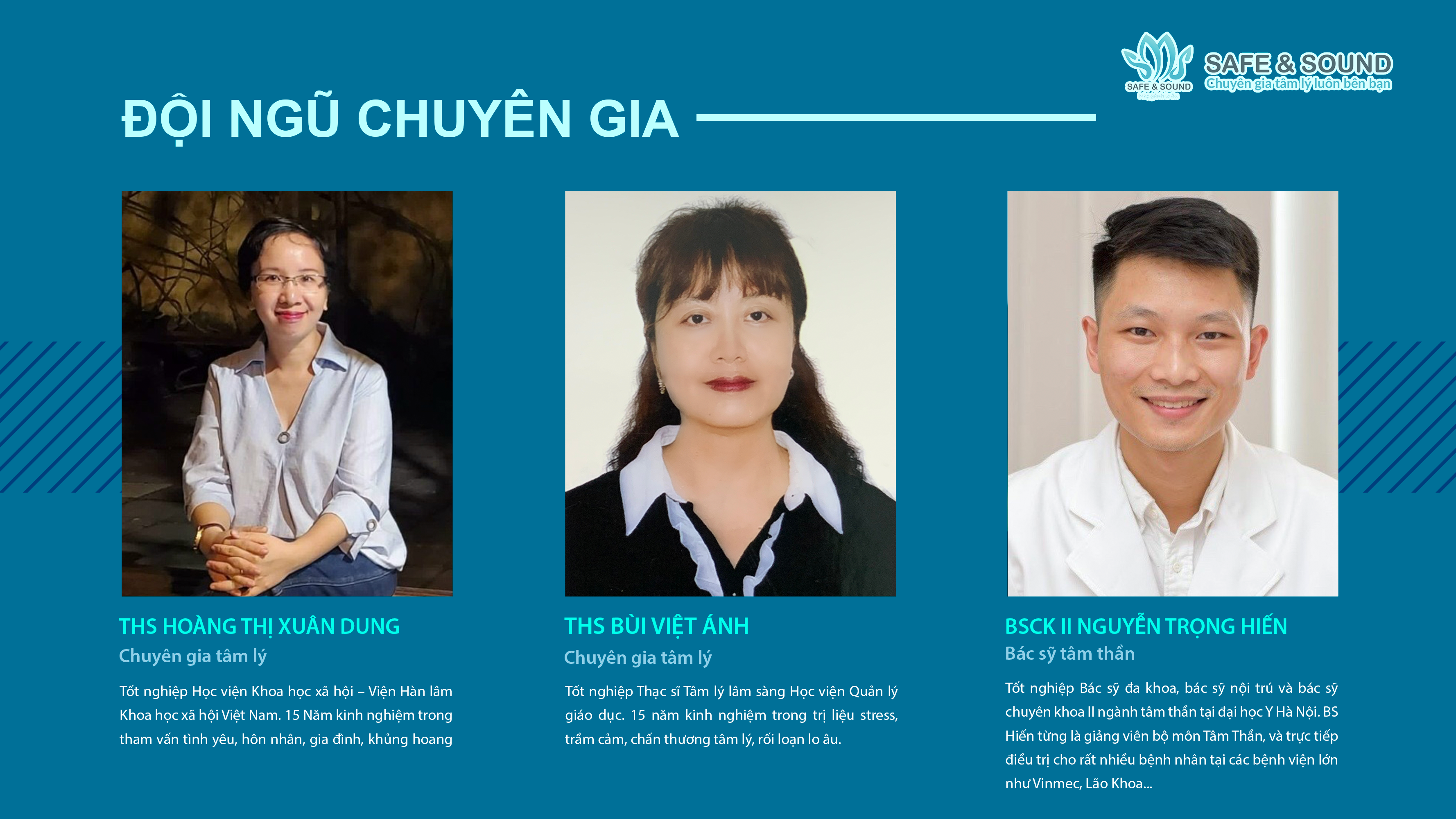
Solutions to help businesses create work motivation and build sustainable organizational culture
At Safe and Sound, we not only provide individual psychological counseling services but also accompany businesses in motivating employees and building a positive organizational culture. Through in-depth workshops on work motivation, emotional management, internal communication and mental health, we help your employees improve performance, increase engagement and feel more meaningful in their work.
In addition, Safe and Sound also provides specialized consulting services to help businesses design a working environment that supports personal development, builds effective reward systems and promotes a sustainable corporate culture.
Safe and Sound Clinic - Family health and psychological support
With a team of experienced doctors and specialists, Safe and Sound Clinic is a pioneer in comprehensive health care with health care services from medicine to psychology.
“Early prevention - Timely support - Long-term companionship”.
If you have any doubts or experience any physical or mental health problems, please contact HOTLINE 0964 778 911 (Phone/Zalo, 24/7) for answers and support as soon as possible!
HOW TO MAKE AN APPOINTMENT for online or in-person consultation with an expert
- At SnS Clinic - IMT Institute
- Or download and schedule a consultation on the Safe and Sound app to manage and track your schedule anytime, anywhere.
Safe and Sound (SnS) - Institute of Applied Medical Technology (IMT)

See also:
- How to promote employees' intrinsic motivation, leaders need to know
- 6 ways to stay motivated in work and life
- Increase motivation – increase productivity through happy hormones
